
About ExpectFire
Built by Someone Who Sees Both Sides of the Call
Hi, I’m Paul Govoni.
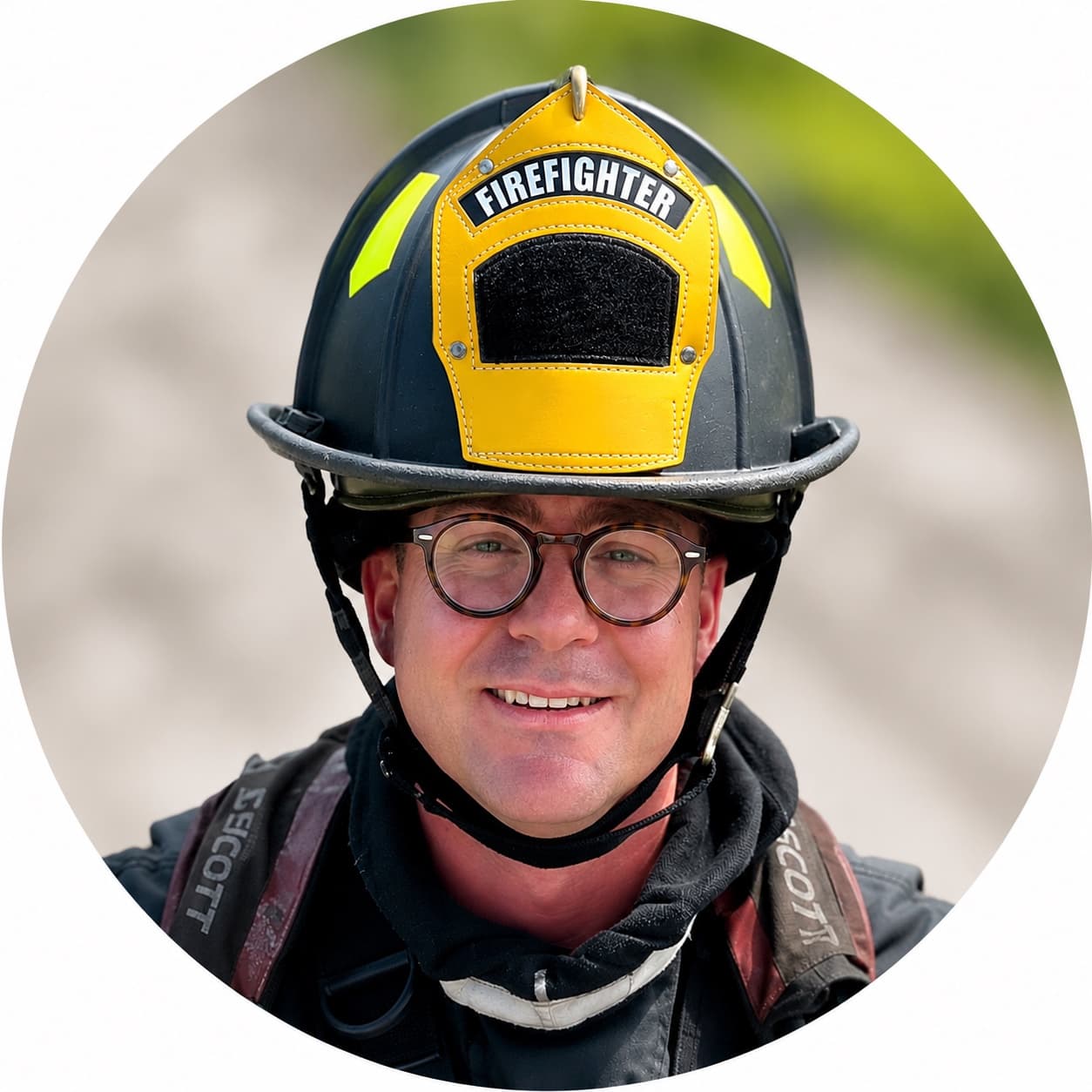
I’m a firefighter and EMT in Pinellas County, Florida. I’m also a technologist, entrepreneur, husband, and dad of two.
My path into the fire service wasn’t exactly traditional. I studied Political Science and Information Technology at Florida State University and spent years building technology and businesses before becoming a firefighter.
Eventually, those two worlds came together.
As a firefighter, I’ve seen how quickly the emergency response system begins moving once a call is dispatched. As a technologist, I kept thinking about what could be done with information that already exists. And as a husband and father, I understand the other side of an emergency: the people who simply want to know when something has happened to someone they care about.
That combination led me to build ExpectFire.
The idea is simple: when Fire or EMS is dispatched to an address you care about, you should have a way to know.
What Came Before ExpectFire
Before building ExpectFire, I created ExpectVictims, a pre-arrival intelligence tool designed to give firefighters useful information about the buildings and incidents they are responding to.
That project showed me how much valuable public-safety information already exists — and how much more could be done when that information reaches the right people at the right time.
ExpectFire takes that same thinking beyond the firehouse.
Instead of helping only the crew responding to an emergency, it helps the families, property owners, and other people who care about what is happening at that address.
Who I’m Building ExpectFire For
I’m building it for the daughter whose mom lives alone.
The parents leaving their children home with a babysitter.
The family living hundreds of miles from an aging grandparent.
The person with a second home, rental property, or another place they care about.
And anyone who has ever thought:
“If something happens, I just want to know.”
That is the gap ExpectFire was built to help close.
Paul Govoni
Founder, ExpectFire
Firefighter / EMT · Technologist · Dad
The short version
- Founder
- Paul Govoni
- Background
- Firefighter and EMT in Pinellas County, Florida. Technology entrepreneur with a background in information technology.
- Based in
- Pinellas County, Florida
- Product
- ExpectFire sends text notifications when qualifying Fire or EMS dispatch activity matches an address a user has added. No hardware, sensor, or equipment is required at the property.
- Currently live in
- Pinellas County, Florida
- Consumer pricing
- First address free. Paid options are available for additional addresses and alert recipients.
- Press contact
- paul@expectfire.com
The photo above may be used for editorial coverage of ExpectFire. For interviews, additional images, product information, or fact-checking before publication, contact paul@expectfire.com.
Turn It On Before There’s a Reason To
Your first address is free, and setup takes about 30 seconds. Get alerts for your home or another address you care about. If you manage multiple properties professionally, visit our business page for commercial coverage options.